
Mold inspection
Review visible growth, moisture patterns, affected rooms, and conditions that may require further evaluation.
Schedule an inspection →Local help for visible mold, musty odors, and moisture concerns.
Request an assessmentGet a clear plan for mold inspection, containment, removal, cleanup, and moisture control in homes and commercial spaces across Greater Charleston.

Mold often follows water intrusion, high humidity, condensation, or poor ventilation. The right response addresses both the affected materials and the conditions that allowed growth.
Review visible growth, moisture patterns, affected rooms, and conditions that may require further evaluation.
Schedule an inspection →
Separate affected work areas and use controlled procedures designed to limit the movement of dust and spores.
Discuss your project →
Remove or clean affected materials based on their condition, location, and the scope established for the project.
Request remediation help →
Support the cleanup process with filtration, detailed cleaning, and careful removal of remediation debris.
Ask about cleanup →
Address damp framing, organic growth, drainage issues, and humidity concerns beneath Charleston-area homes.
Get crawl space help →
Identify practical next steps for leaks, humidity, ventilation, condensation, and other recurring moisture sources.
Find the moisture source →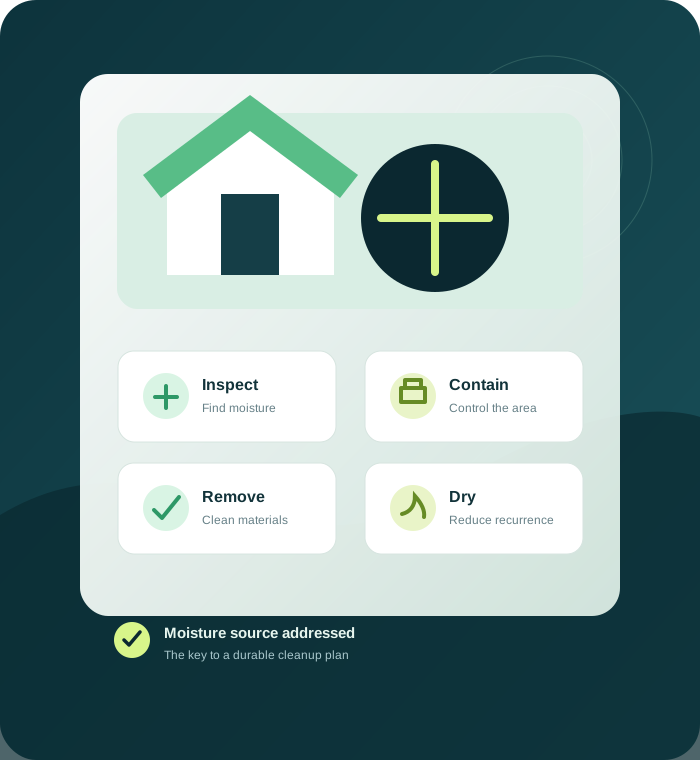
A good remediation plan defines the affected area, the moisture source, the materials involved, and the cleanup steps before work begins.
Document visible conditions, water history, humidity, odors, and areas that need closer attention.
Define containment, material handling, cleaning, drying, access, and project expectations.
Carry out controlled removal and cleaning while managing dust, debris, and moisture.
Confirm the work area is clean and dry, then address repairs or moisture controls that reduce future risk.
Charleston’s coastal conditions can make moisture management a year-round property concern. A durable solution starts by understanding where water enters, where humidity collects, and which materials stay damp.
Talk about your propertyUnderstand the concern, proposed scope, and next steps.
Focus on the conditions that support recurring growth.
Adjust the response to the room, material, and level of impact.
Use organized containment, debris handling, and detailed cleanup.
Request help for residential, rental, multifamily, office, retail, and light commercial properties throughout the Charleston metro area.
Check service availability
The most useful service is a clear explanation of what is affected, what must be removed, and what should be fixed so the issue does not return.
Mold cleanup works best when the remediation plan and the moisture-control plan support each other.
Organized containment, careful material handling, and detailed cleaning help keep the project controlled from start to finish.
Every property differs. An assessment helps determine the likely source, affected area, material condition, and appropriate scope.
Ask about your situationNot every visible mold concern requires laboratory testing. Testing may help when the source is unclear, occupants report concerns, documentation is needed, or an independent professional recommends it.
Minor surface growth may be manageable in limited cases, but recurring growth, contaminated porous materials, sewage-related water, HVAC involvement, or a large affected area can require professional evaluation.
Timing depends on the size and location of the affected area, materials involved, drying needs, access, repairs, and whether additional evaluation is required.
Mold can return when materials become damp again. Repairing leaks, controlling indoor humidity, improving ventilation, and keeping vulnerable spaces dry are central to prevention.
Crawl spaces, bathrooms, attics, wall cavities, areas near roof or plumbing leaks, and rooms with persistent condensation or weak airflow often need attention.
Share the affected area, water history, property type, and any recent repairs. That information helps define the right next step.